
Bird Safe Design
The Future of Design is Bird Safe!
To ensure buildings are safer for birds, it’s important to make glass more visible to birds—and equally important to consider designing new buildings to be bird friendly. With the use of innovative design and ever-developing new technology, bird safety consideration is not limiting to design—it can broaden creative and conscious choices.
There are over 30 existing bird-friendly building policies across the United States, with more being enacted every year. Cities and states nationwide are making it clear that the safety of birds is a priority in their future urban development. Join the growing numbers of bird-friendly design professionals, community advocates, homeowners, and companies and consider how bird-safe design could be a part of your life, business, or work.
Bird Safe Design Solutions
Patterned Bird Safe Glass
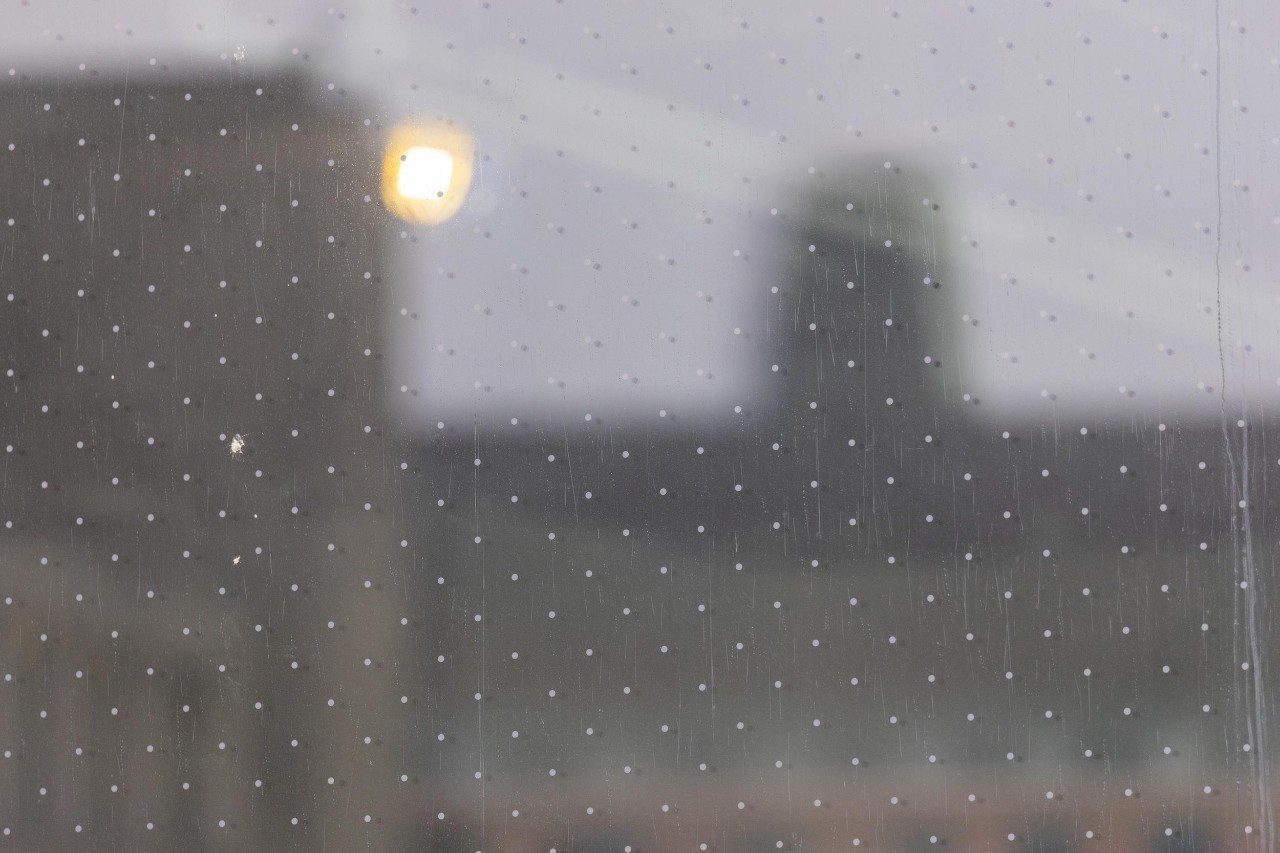
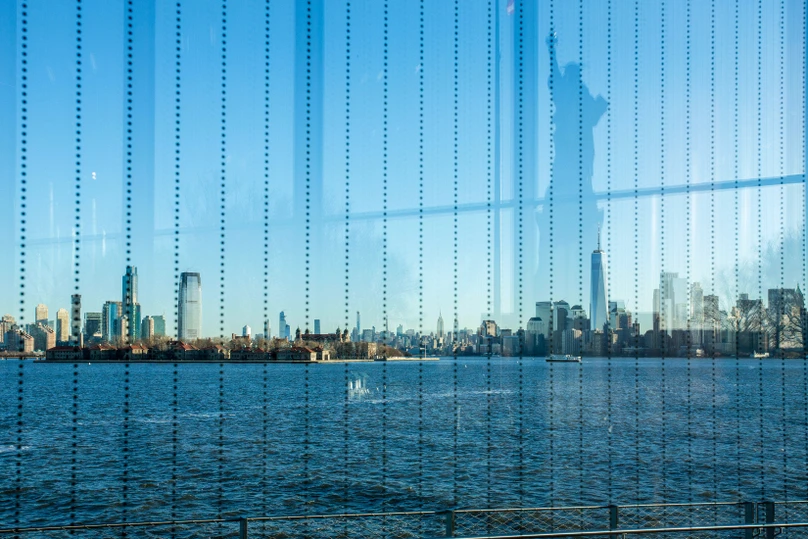
Reflective and transparent materials, like glass, need the addition of visual markers to be seen by birds. The markers can be made from a large variety of materials and must follow certain pattern spacing and visual contrast rules in order to be optimally effective.
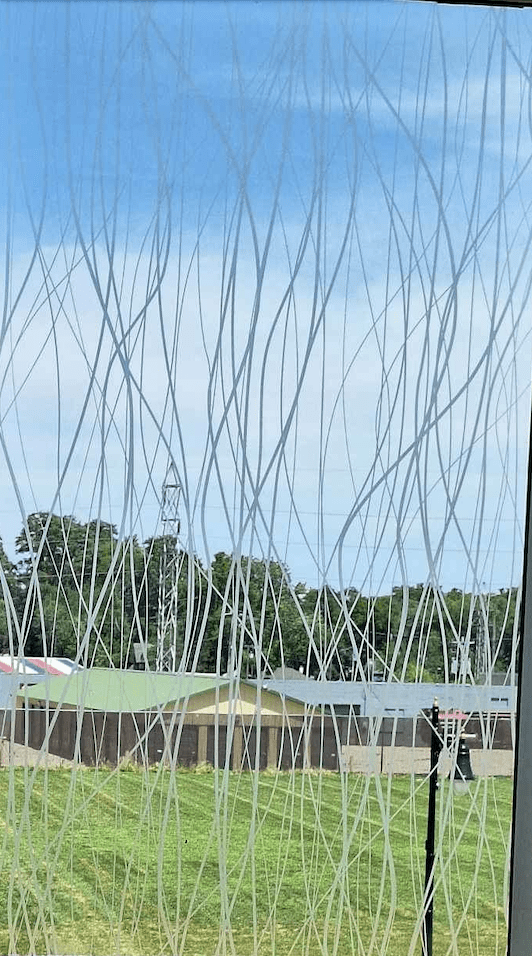
Acid-Etched
Acid-etching is a process where hydrofluoric acid is applied to glass and chemically erodes where it is placed. The chemicals used for etching are in a closed loop where no chemicals are released back into the environment. It is widely available as an outside surface deterrent, and works by interrupting the reflection of glass.
Acid-etch can work with a wide variety of glass tints and LowE reflection levels (though acid-etch itself does not have color options because it is a texture change in the glass surface). It broadly allows for double-sided glass treatments without the need for lamination. Manufacturers offer a variety of patterns.
Galesburg Public Library, Photo courtesy of Alex Sobolev

Ceramic Frit
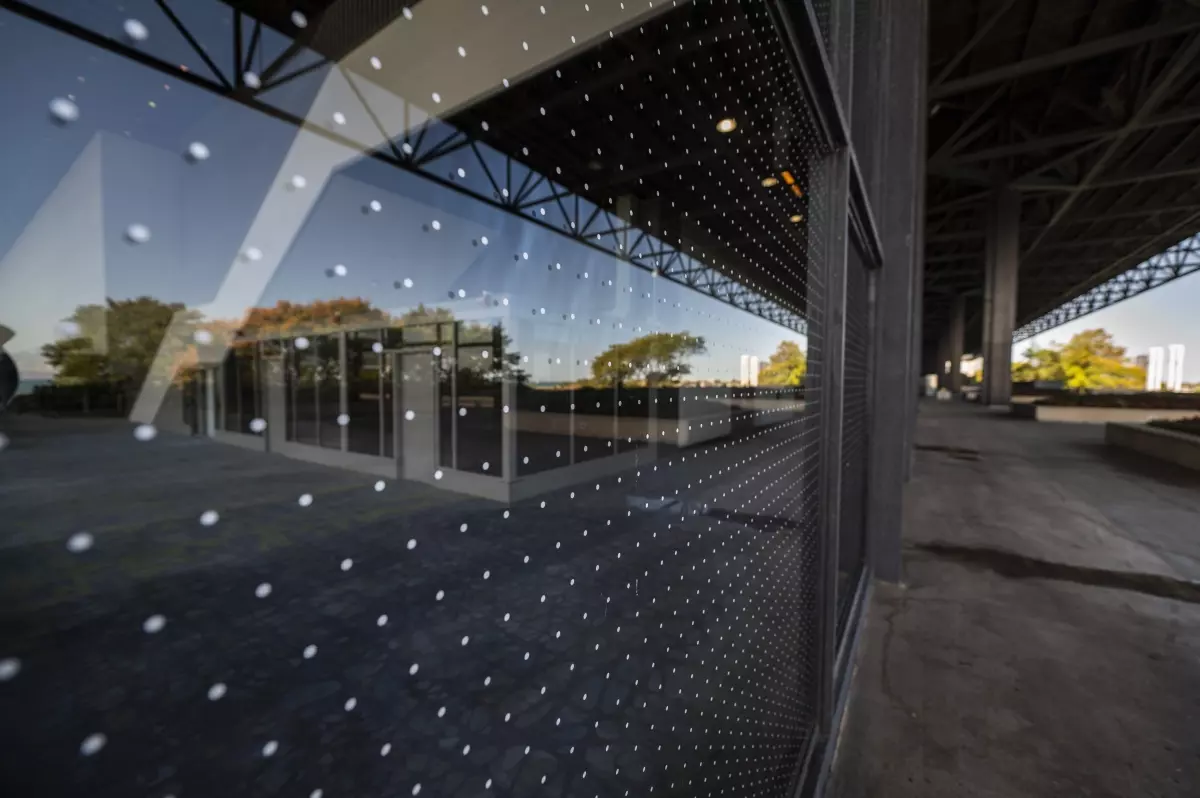
Ceramic frit can be applied to glass by screen-printing, or digital-printing where glass printers take designs and print them onto glass using small inkjets that administer ceramic inks. After the frit is applied, the glass is baked and the pattern fuses to the glass. Frit is available in a wide range of colors, and you can also find frits that are translucent or simulate an etch effect.
It’s important when choosing frit to ensure the pattern size, spacing, and surface placement comply with best practices to be effective in deterring bird collisions. Heat treated deterrents like frit cannot have the LowE on the opposite side of the glass.
Photo by Lorne Bridgman
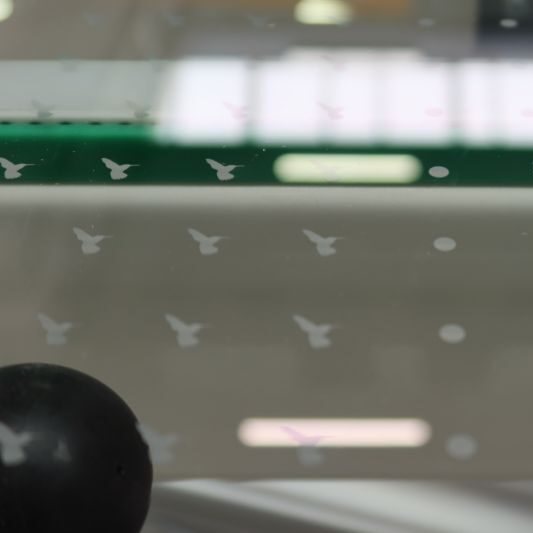
Lasered Patterns
A few companies have developed methods for adding custom patterns into the exterior surface of glass using laser technology. There are two methods of this: laser etching and laser print transfer. Laser etching can create a similar visual effect to acid-etch. Laser print transfer uses a laser to fuse a frit-like material onto the surface of the glass.
Depending on the laser settings, there is a variety in visual contrasts in these products. A pattern must be very apparent to reduce bird collisions. It is recommended to consult with a bird-friendly specific expert or manufacturer to get a better understanding of what is being considered, and how it might perform in the specific intended application.
Photo by Orion Laser Tech
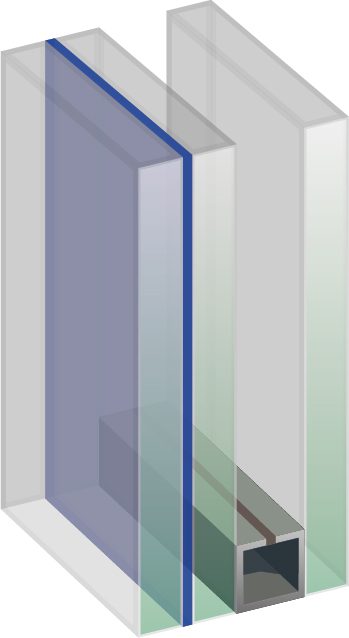
Laminated Embedded Materials
Lamination is the process of gluing two or more pieces of glass together so that it still looks like one piece of glass. This is often done in architecture to strengthen the glass, increase safety from projectiles or falling glass, improve acoustics, and many other reasons.
The manufacturing process allow for many types of materials to be added in between the glass, and if done right (i.e. following pattern spacing and contrast best practices) these materials can help prevent collisions.
Image by Walker Glass
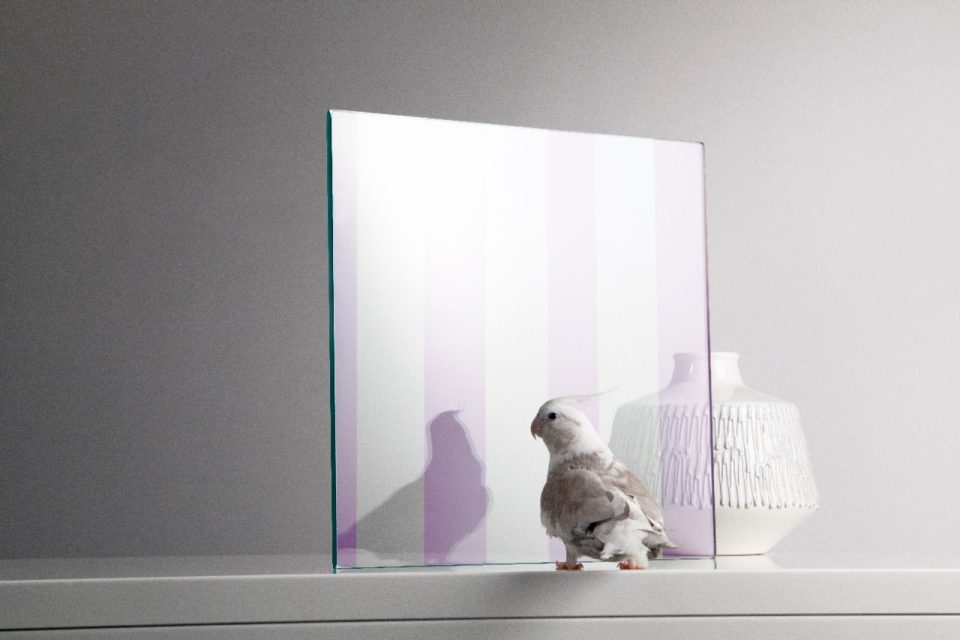
Reflective Coatings
Reflective coatings include products marketed as UV-reflective as well as products that reflect light in the visible spectrum. Many products marketed as UV-reflective have some strong presence in the visible spectrum as well.
When considering utilizing bird collision deterrents using reflective coating technologies, make sure to consider the lighting conditions of your intended placement during the day and throughout the year, as changing lighting conditions can have an effect on the product’s effectivity.
Image by Guardian Glass
Non-Float Glass Deterrents
Commercially available bird safe glass is produced with structural changes that alter “image formation” on or through a material while preserving or enhancing an architect’s aesthetic intent.
Textured Glass
Many types of textured glass have the ability to be made bird friendly. Because textures are usually applied to the inside surface of the glass, care must be taken to ensure the outside surface cannot form reflection. The visual environment of the application must be taken into consideration, as it can change the efficacy in collision reduction. When appropriately used, this glass can prevent collisions and alter the quality of light entering the internal space.
Fluted glass, photo by Simon Menges
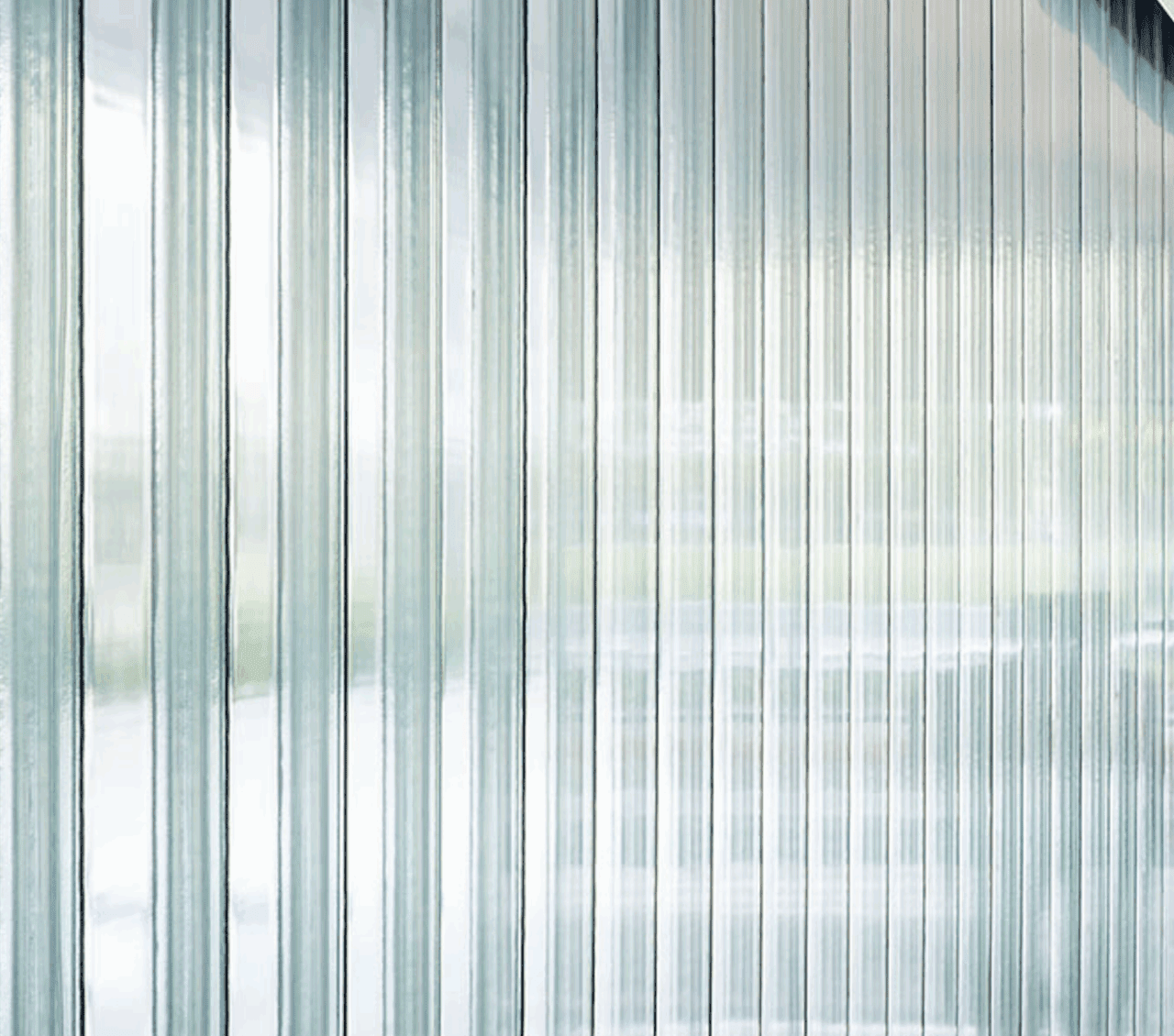
Channel Glass
Channel glass systems are ribbons of molten glass formed into continuous glass channels that have a similar visual effect to 100% acid etched glass. Considered a type of textured glass, channel glass creates a collision deterrent effect by removing some of the image formation on the surface of the glass or through it. The vertical lines of the narrow glass section also add to its efficacy.
Photo by Bendheim Glass
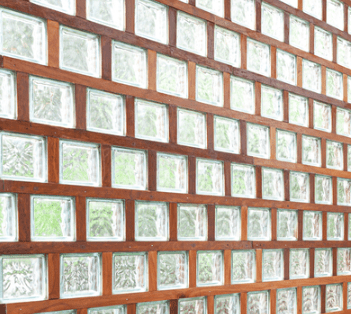
Glass Block
Glass block is made by fusing two halves of glass, creating a hollow chamber. The wavy surface of the glass blocks helps distort the image formed on it’s surface, and the mortar between each block can act as a pattern that birds can see. The hollow structure of this glass allows for light transmission and could help with soundproofing.
Photo by Spaceshift Studio
Beyond Glass: More Bird Safe Design Options
Not all building exteriors need to feature glass. New materials and ideas are ushering in a new wave of possibilities in which bird-friendly design can be seen less as a limitation than as an invitation to creativity.
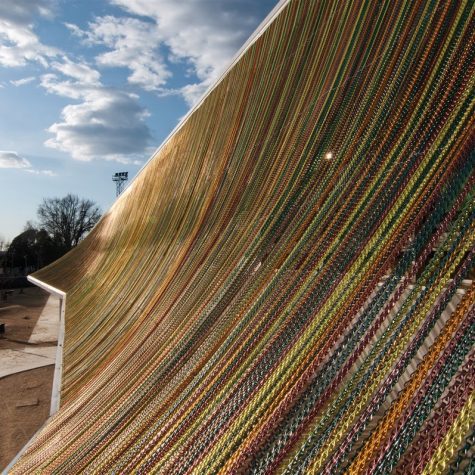
External Rigging
There are a variety of non-structural tensioned wire-like materials that are used mostly for aesthetics, but have some potential as versatile and customizable deterrents if used correctly.
In the photo example, anodized aluminum chain links are used in a customizable facade-covering installation. It is recommended to consult with an expert to ensure the distance and spacing of the external rigging material will be effective in preventing collisions.
Can Manent School / Photo by Kriskadecor

Perforated / Expanded Sheet Materials
This is a category inclusive of a variety of materials commonly used on facades that have the potential to be used as deterrents. For example, architectural meshes can be made in a variety of metals, shades, and finishes.
Fixation systems allow easy installation and anchoring. Perforated sheet facades can help with natural ventilation, visibility, sun protection, customization, and privacy. As long as material is used to cover glass in a 2×2 spaced pattern, it can be used for bird-safe design.
Photo by Banker Wire
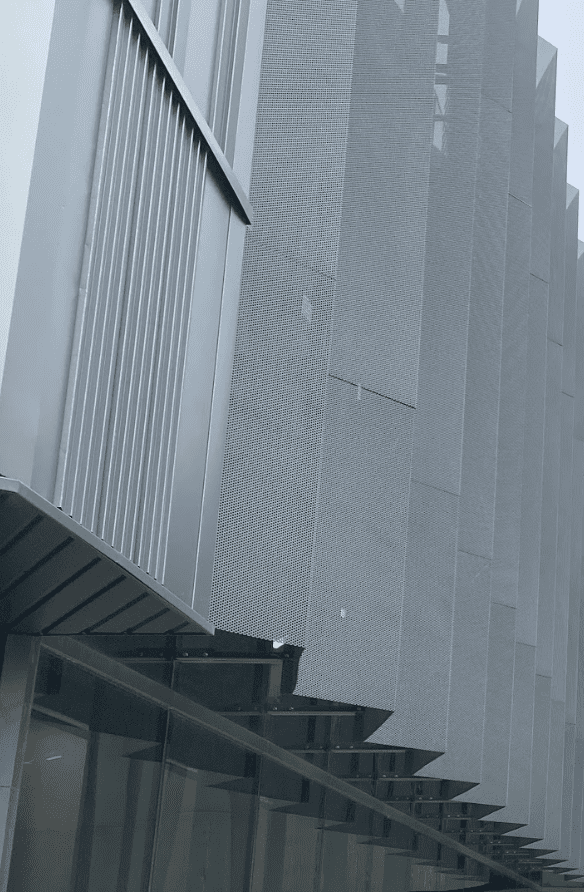
Shades and Louvers
Commonly used for reducing heat from getting into a building, many shade and louver systems can also double as collision deterrents when used correctly. Shade systems can offer the added benefits of airflow and light control, privacy, and elemental protection.
A facade with fully adjustable louvers can be not only useful but aesthetically intriguing. If you are interested in another example of this, check out Foster & Partner’s design of Langley Academy in the United Kingdom (not pictured here).
Photo courtesy of Alex Sobolev
Additional Benefits of Bird-Safe Design
Increase Energy Efficiency
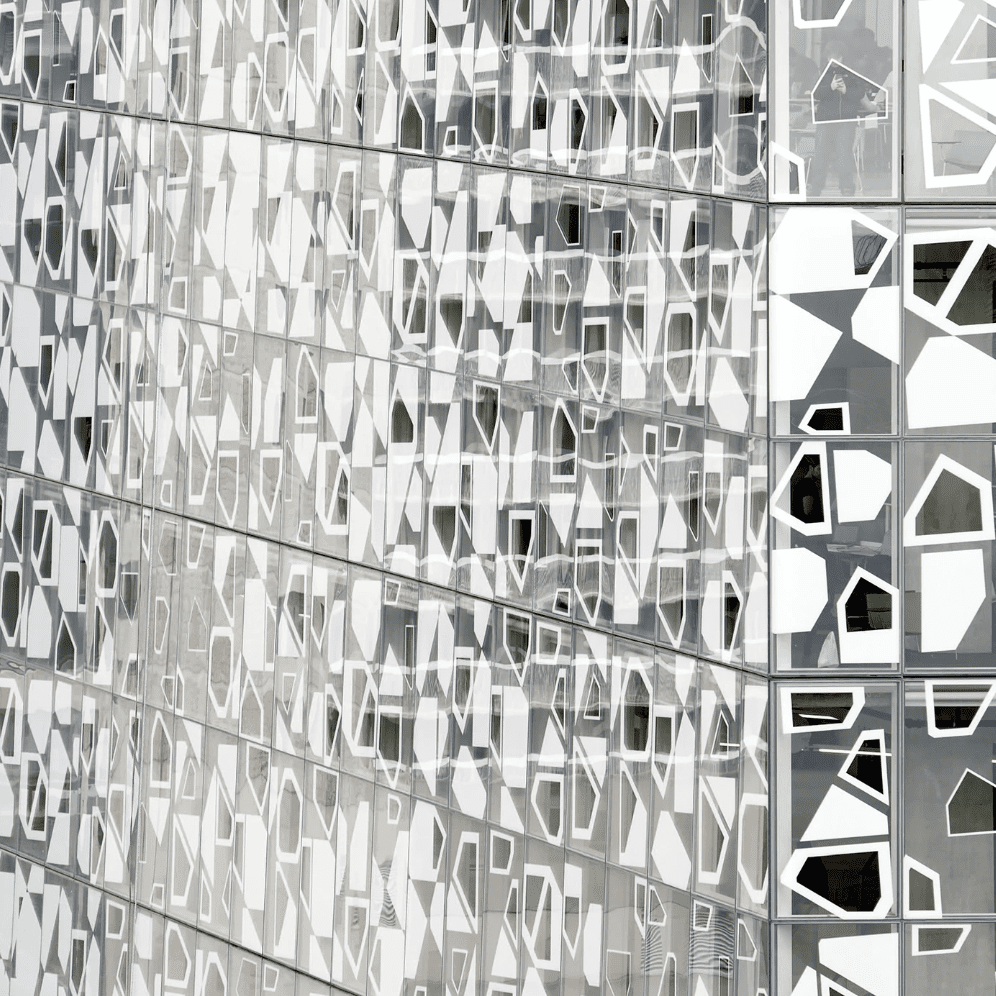
Bird-safe design does not limit the sustainability and energy efficiency of a building. Low-E coatings can be paired with bird-friendly deterrents to improve a building’s energy performance.
Save on Long-term Costs
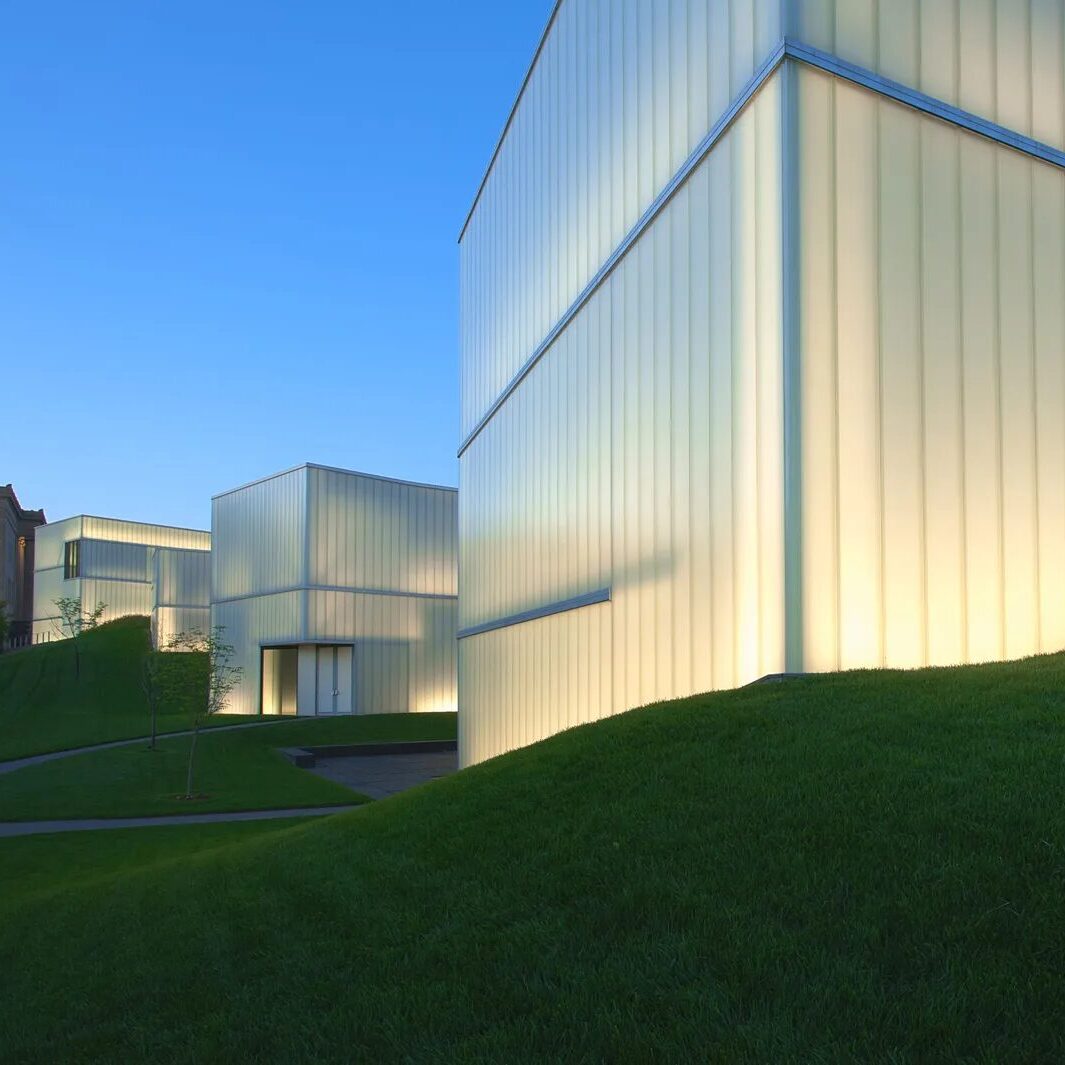
Incorporating bird-collision deterrents into a building’s original design is almost always less expensive than retrofitting. Deterrents also reduce long-term maintenance costs as staff time is not needed to clear bird carcasses.
Improve Wellbeing of Occupants
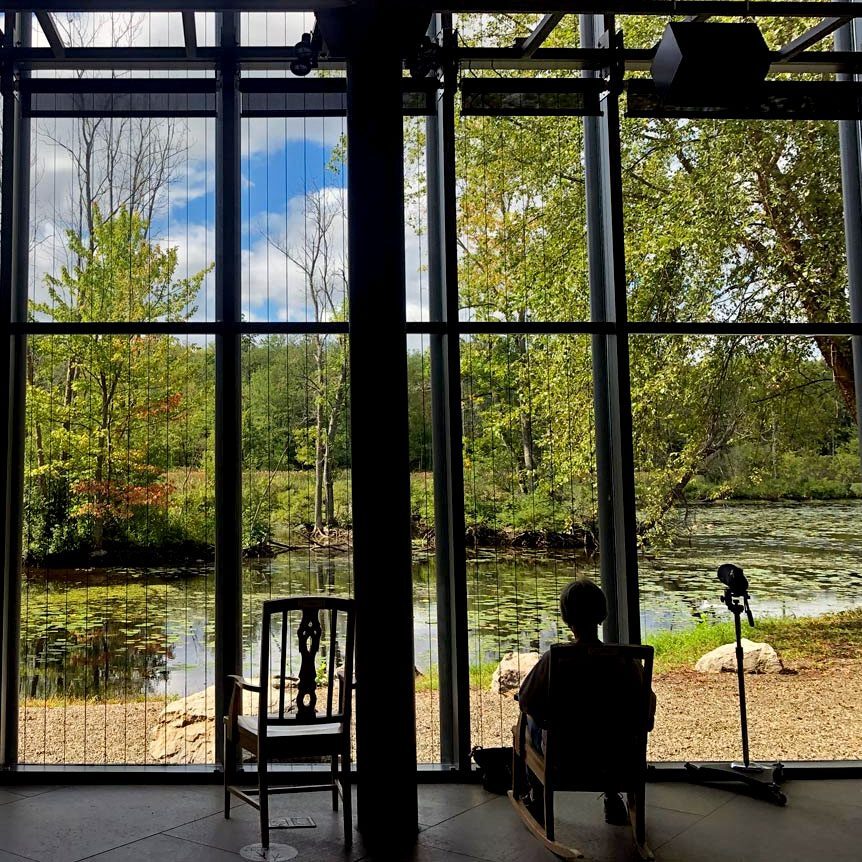
Witnessing bird collisions can have a negative impact on the wellbeing and productivity of residents and employees, causing distraction and distress. Preventing collisions avoids this negative effect.
Reduce the Presence of Pests
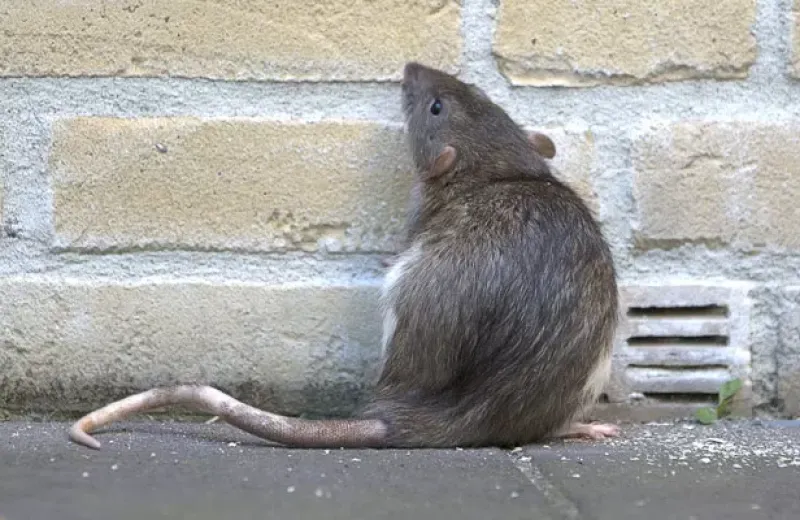
The presence of dead birds from glass collisions can have the undesired consequence of rats and other unwanted pests taking residence around a building. Preventing collisions can also prevent the attraction of these pests.
Influence Interior Design
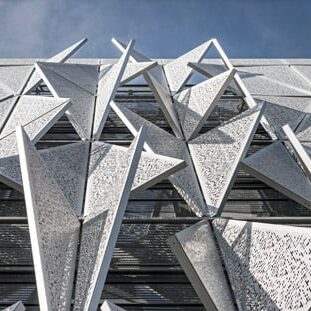
Adjustable external facades such as louvers or sunscreens allow for increased control of internal climate and lighting. Many types of bird safe deterrents can also change internal lighting design, offer more privacy, and some may contribute to soundproofing.
Expand Branding: Tell a Story
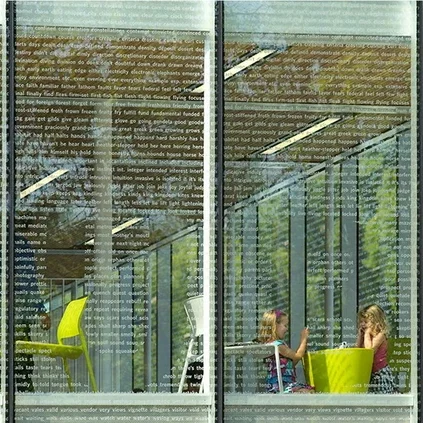
The customization of glass patterns and external facade systems allows clients and companies to deliver a message, increase branding visualization, or act as public art.
Want to Learn More?
Take a Class in Bird-Friendly Building Design
The American Bird Conservancy offers bird-friendly building design courses for American Institute of Architects and LEED continuing education credit. Both in-person classes and webinars are available. Click here to learn more about the class. To schedule a class, email collisions.abc.org
Bird Safe Design News



Inspirational Design Gallery
The following buildings feature either mostly or entirely bird-safe facades, whether intentionally or coincidentally. You can click on the articles below to learn more about each building. If you want to see even more examples, check out American Bird Conservancy’s Bird-friendly Building Gallery.
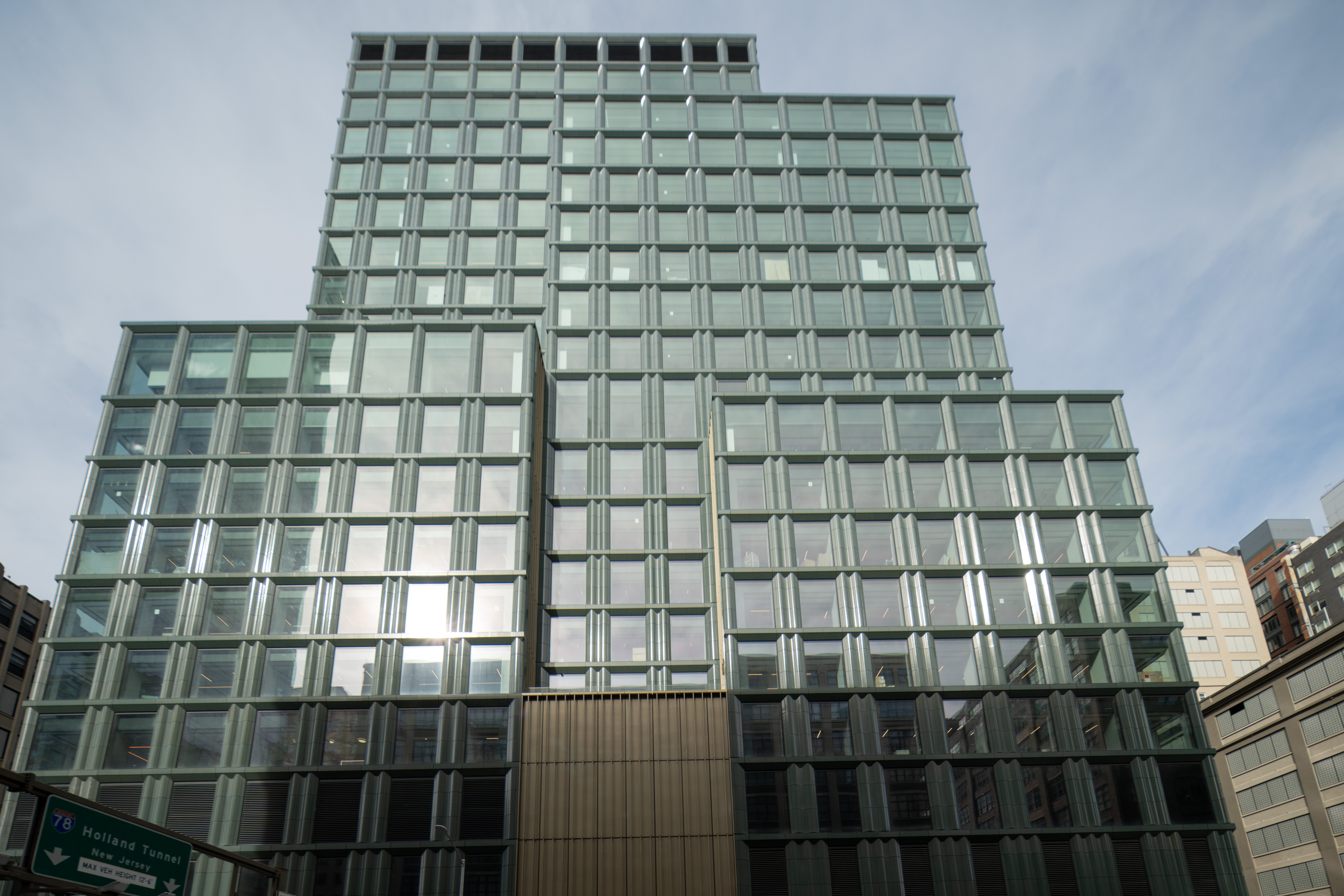
 Disney HQ New York (Som & Gensler, 2025)
Designed by Skidmore, Owings & Merrill, Disney’s new headquarters building in Hudson Square was built with UV-patterned bird-friendly glass incorporated adjacent to accessible exterior green terrace spaces. (Photo courtesy of Alex Sobolev)
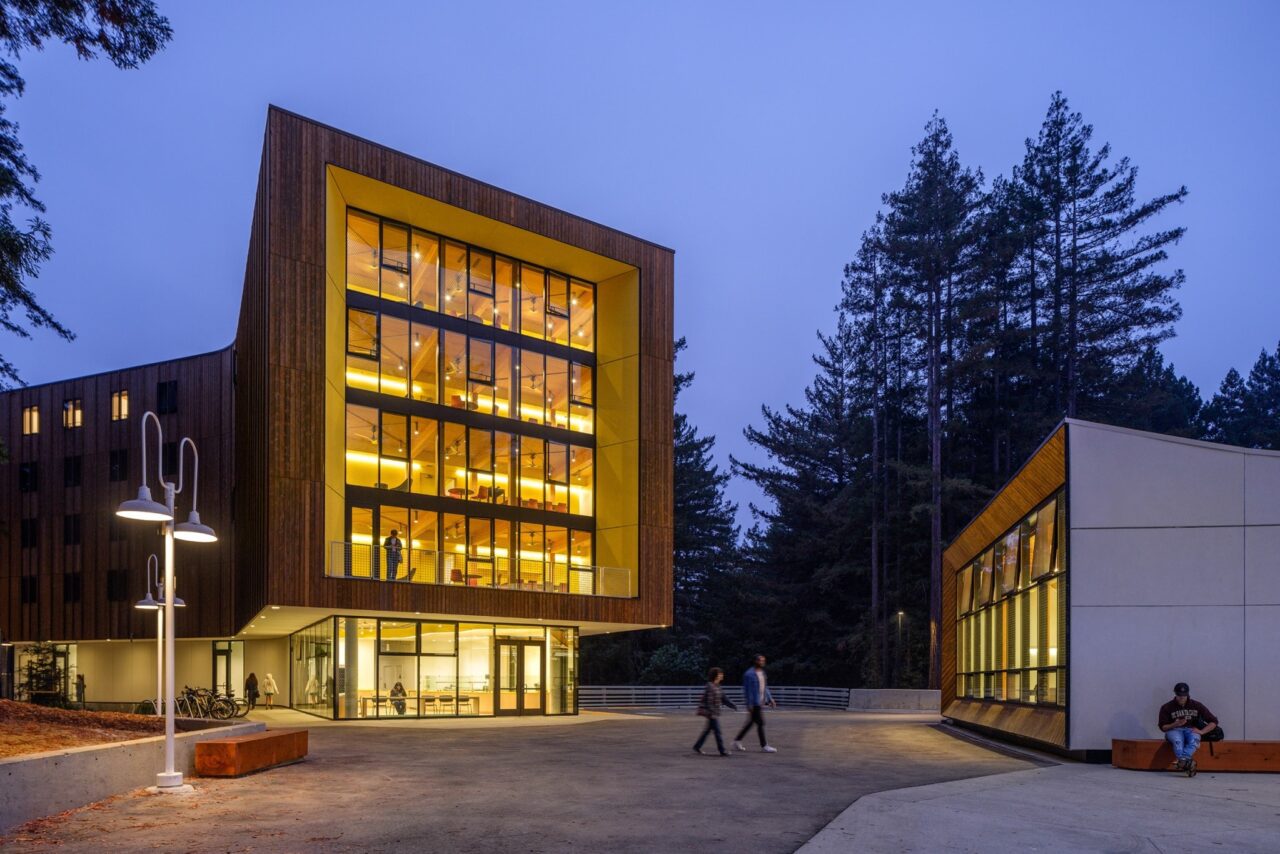
- Kresge College at The University of California (Studio Gang, 2023)
For UC Santa Cruz’s expansion of Kresge College, Studio Gang worked with Skyline Design to create a custom pattern featuring silhouettes of native animals in a grid design, unique to the local environment. The custom design was etched onto surface one of the insulated glass units. (Photo by Studio Gang)
- The Woman Restaurant (Bangkok Project Studio, 2021)
Located in a village in the Ban Run district in Thailand, this project consists of five buildings made primarily of repurposed glass block and wood. The large pane sections are PVC, not glass. (Photo by Spaceshift Studio)
- Ryerson University Student Learning Centre (Zeidler Architecture + Snøhetta, 2015)
The beautifully patterned glass used in this building’s facade is custom patterned, digitally printed ceramic frit, produced by Dip-Tech. (Photo by Lorne Bridgman)
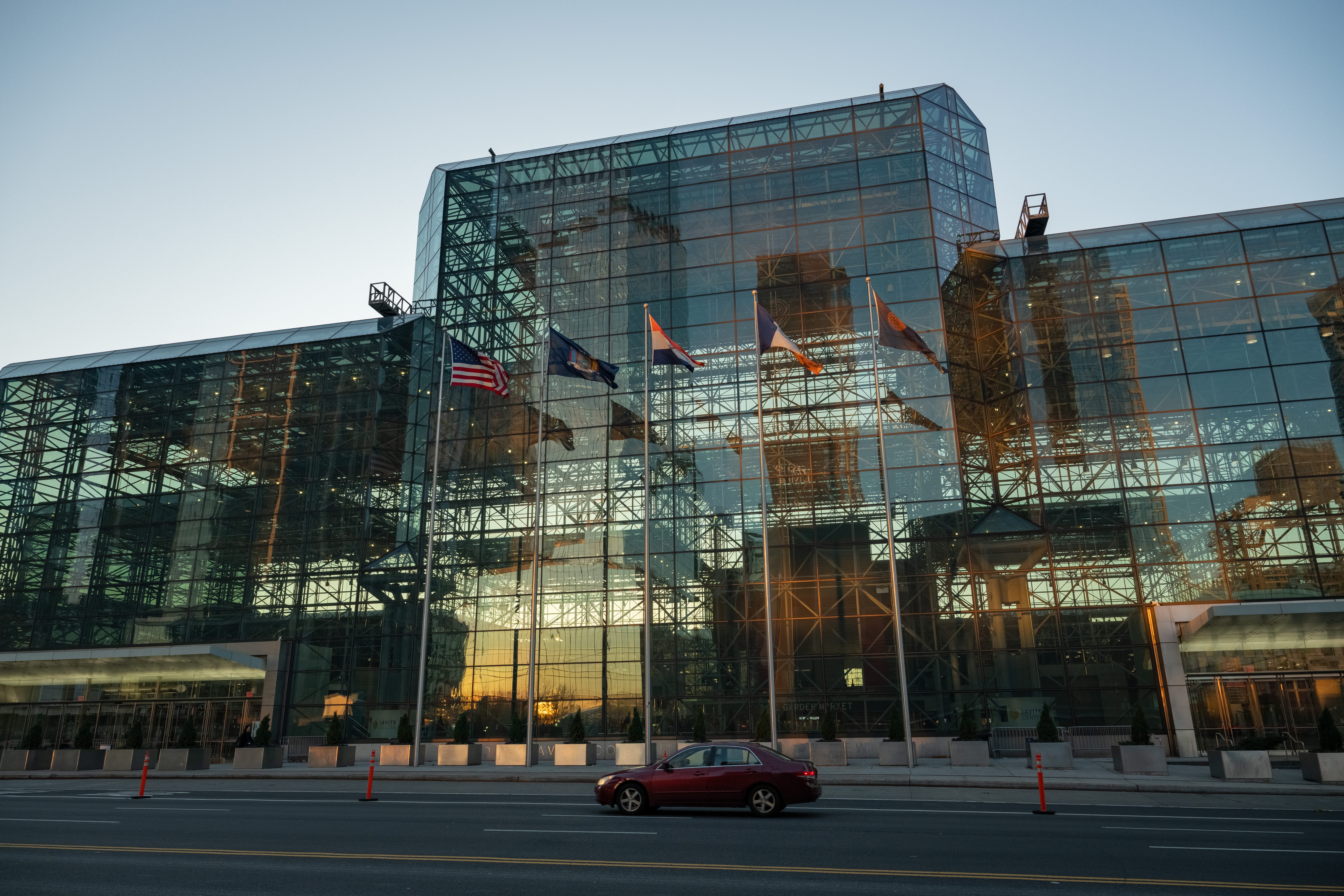
- Javits Center (FXFowle/Epstein, 2014)
Designed by FXFowle/Epstein, the Javits Center’s 2014 renovation incorporated bird-safe, low-reflecting, fritted glass and a nearly seven-acre green roof. (Photo courtesy of Alex Sobolev)
- Szczecin Philharmonic Hall (Barozzi Veiga, 2014)
The exterior cladding of this unique concert hall in Szczecin, Poland, is made entirely of white fluted glass. (Photo by Simon Menges)
- The Nelson-Atkins Museum of Art (Steven Holl Architects, 2007)
Located in Kansas City, Missouri, this innovative five-building expansion to the museum utilizes the cavities of the layered channel glass to regulate internal lighting and temperature with seasonal flexibility. (Photo by Jordi Elias Grassot)
- Brandhorst Museum (Sauerbruch Hutton, 2002)
The external skin of this art museum in Munich, Germany, is composed of two layers: 36,000 TERRART®-baguette ceramic rods in a variety of 23 custom color glazings and a dual-colored horizontally folded metal skin. (Photo by Haydar Koyupinar, Museum Brandhorst)