
North American Zoos Install BCPA QR Code Decals
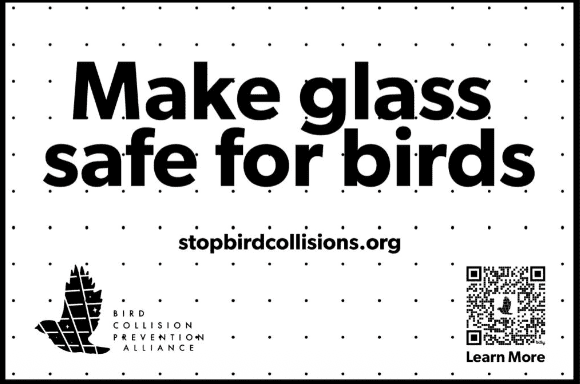
The Bird Collision Prevention Alliance (BCPA) has developed and produced a vinyl film decal with a scannable QR code redirecting to stopbirdcollisions.org. The design of the decal (featured below) was created to encourage conservation action whether placed on treated or untreated glass.
The aim was for the first production of this resource to go to a group of organizations with existing bird-safe retrofits, aligned goals, a large and curious audience, and a direct line of communication with the BCPA for feedback. The BCPA fortuitously connected with The Association of Zoos and Aquariums’ (AZA) Saving Animals From Extinction (SAFE) program for North American Songbirds (NAS) and offered to provide interested AZA SAFE NAS organizations with free decals for their buildings.
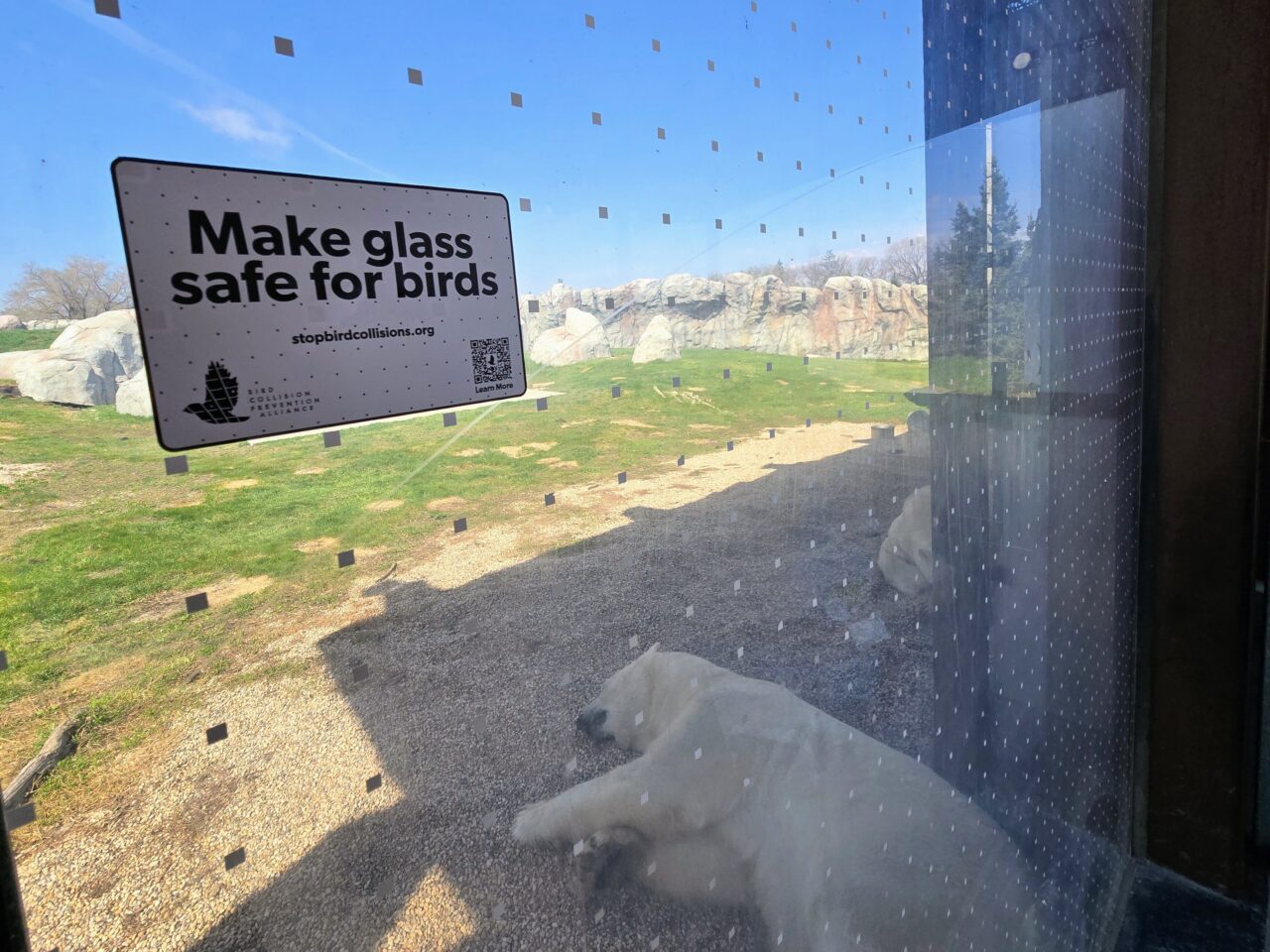
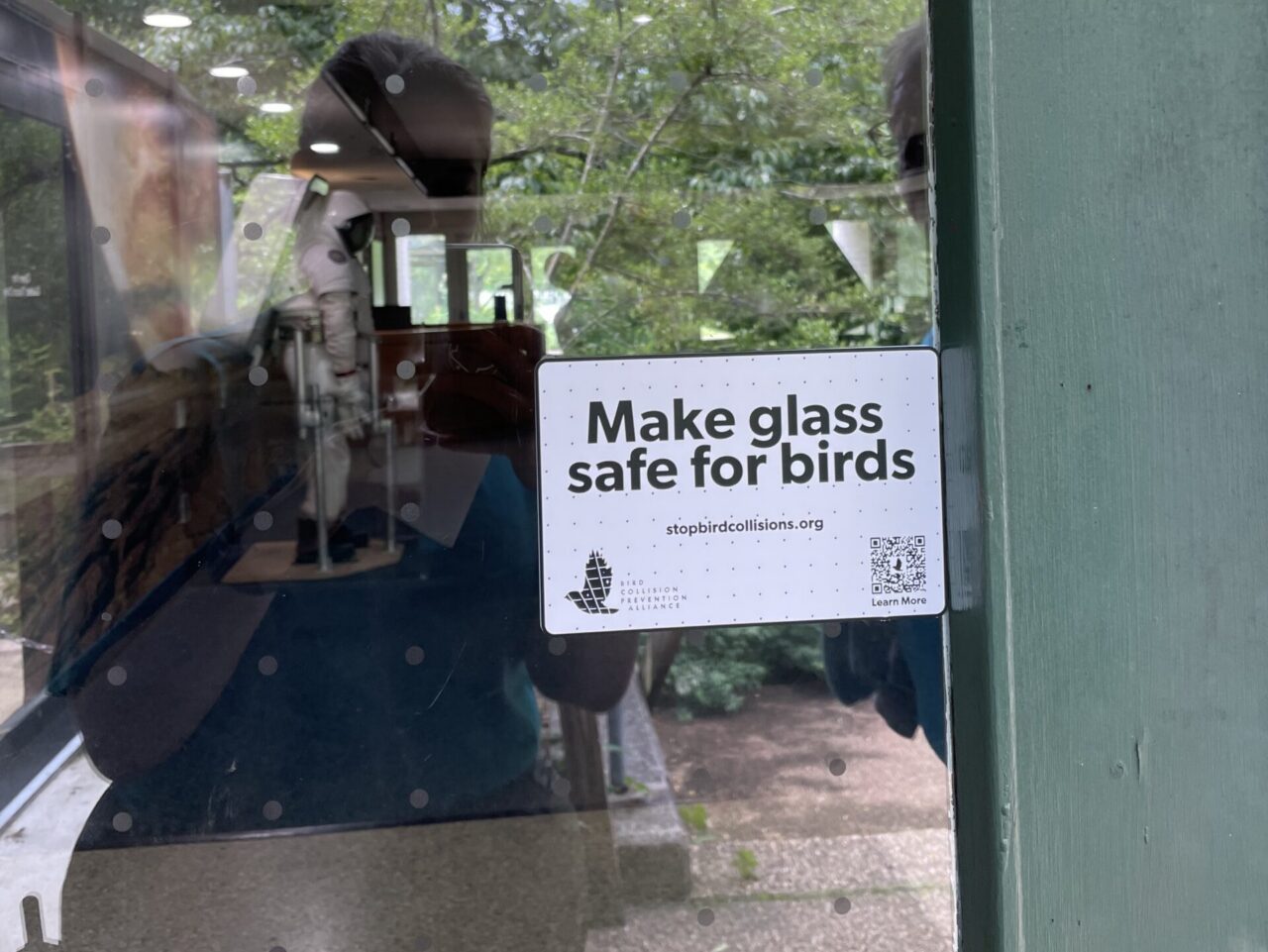
Feather Friendly generously produced 1,000 decals free of charge for the BCPA to distribute. Since March 2026, 500 decals have been distributed across almost 50 participating organizations from AZA SAFE NAS and are continuing to be installed in zoo facilities across North America. We have included a small gallery highlighting a few of these installations below.
Examples of Installations at Participating Zoos

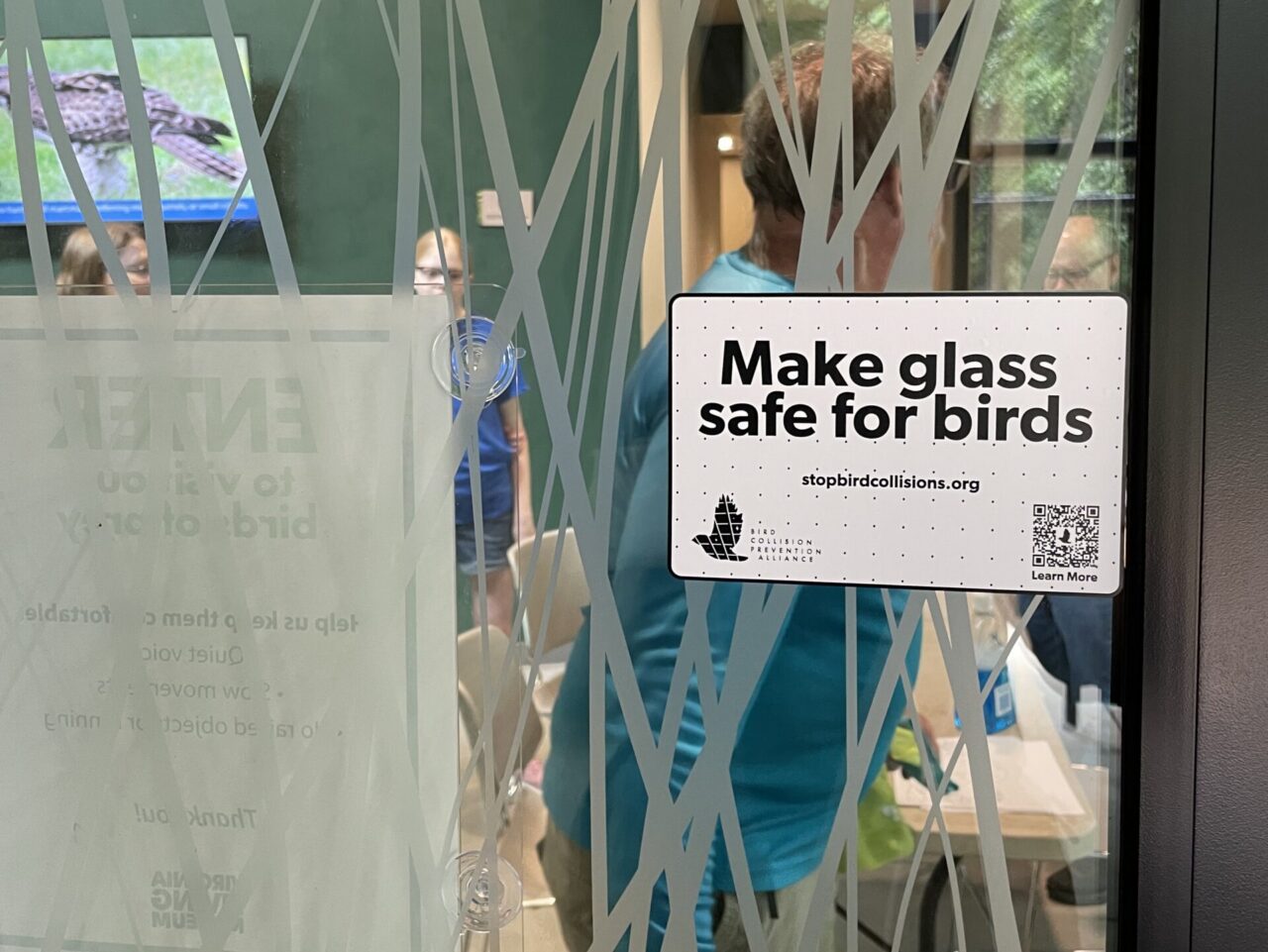

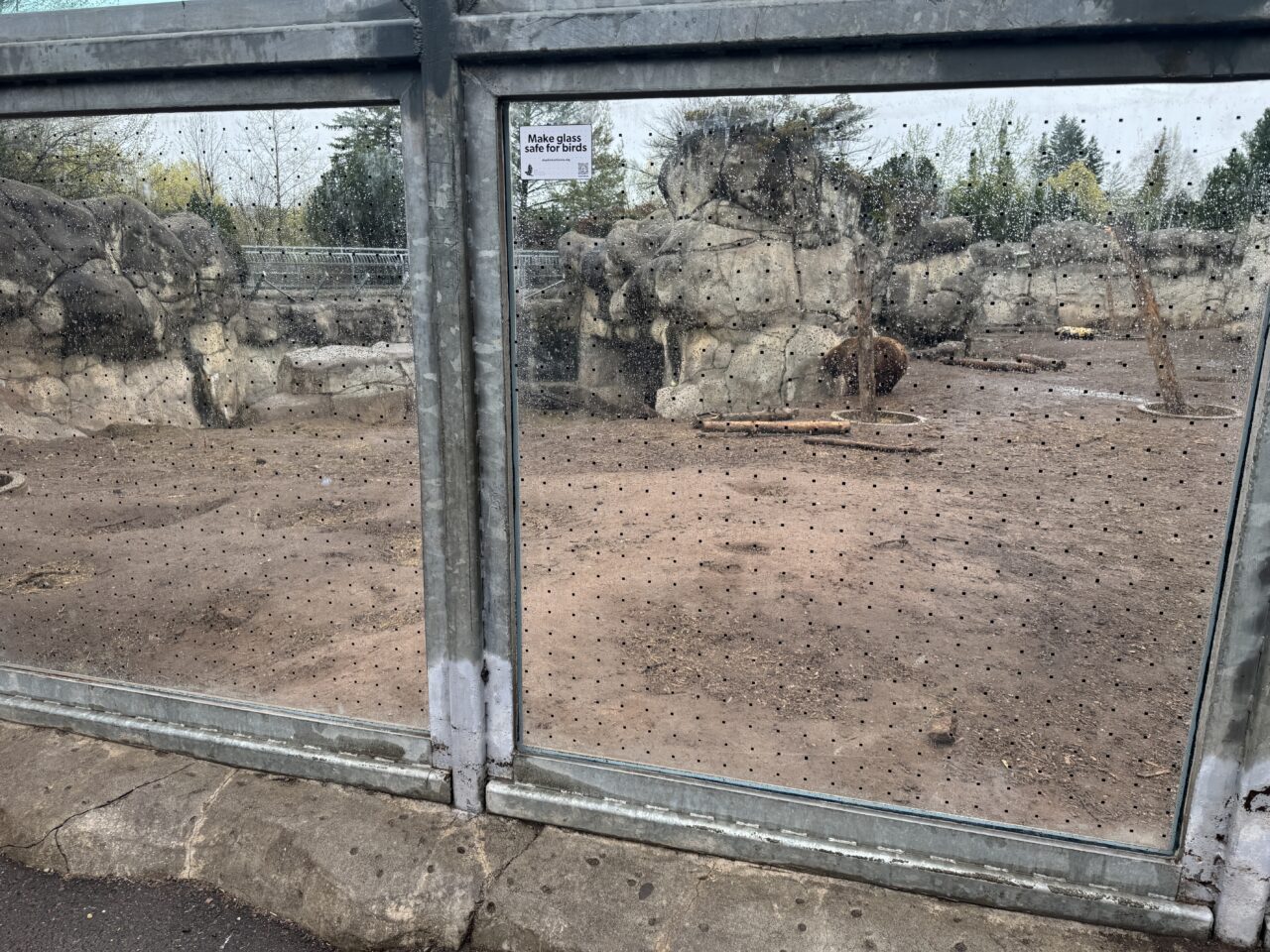
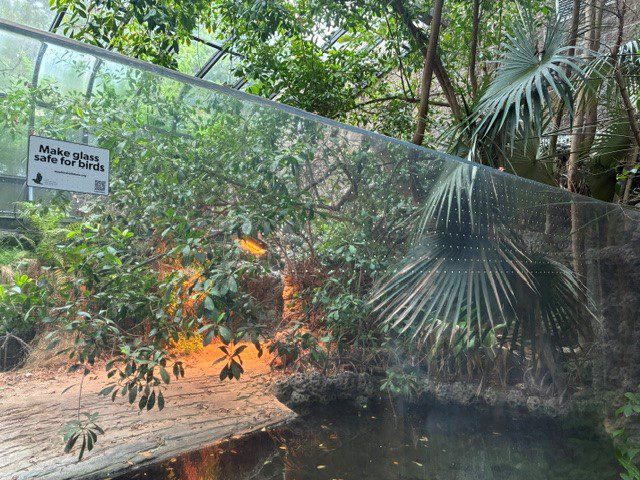
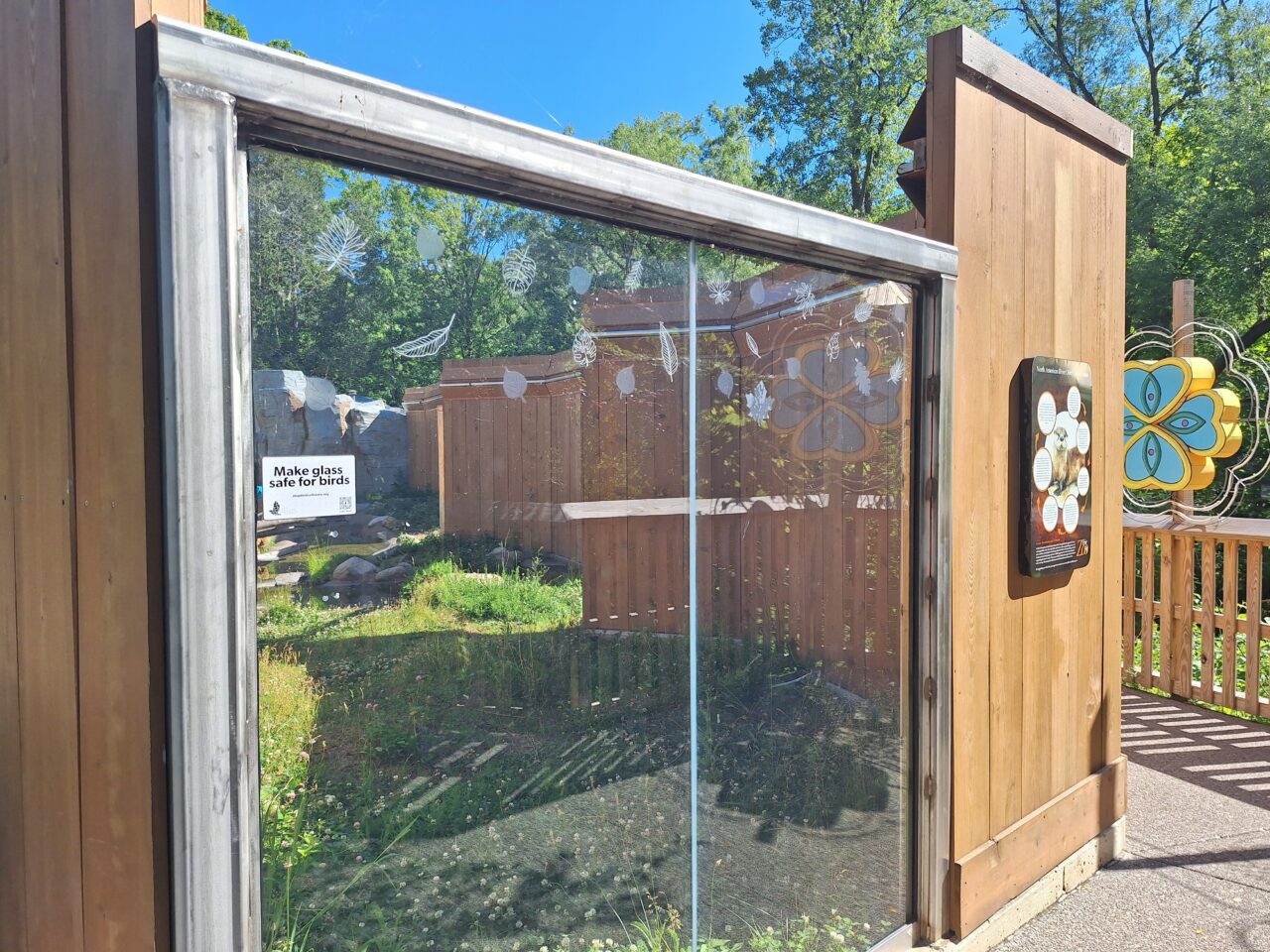
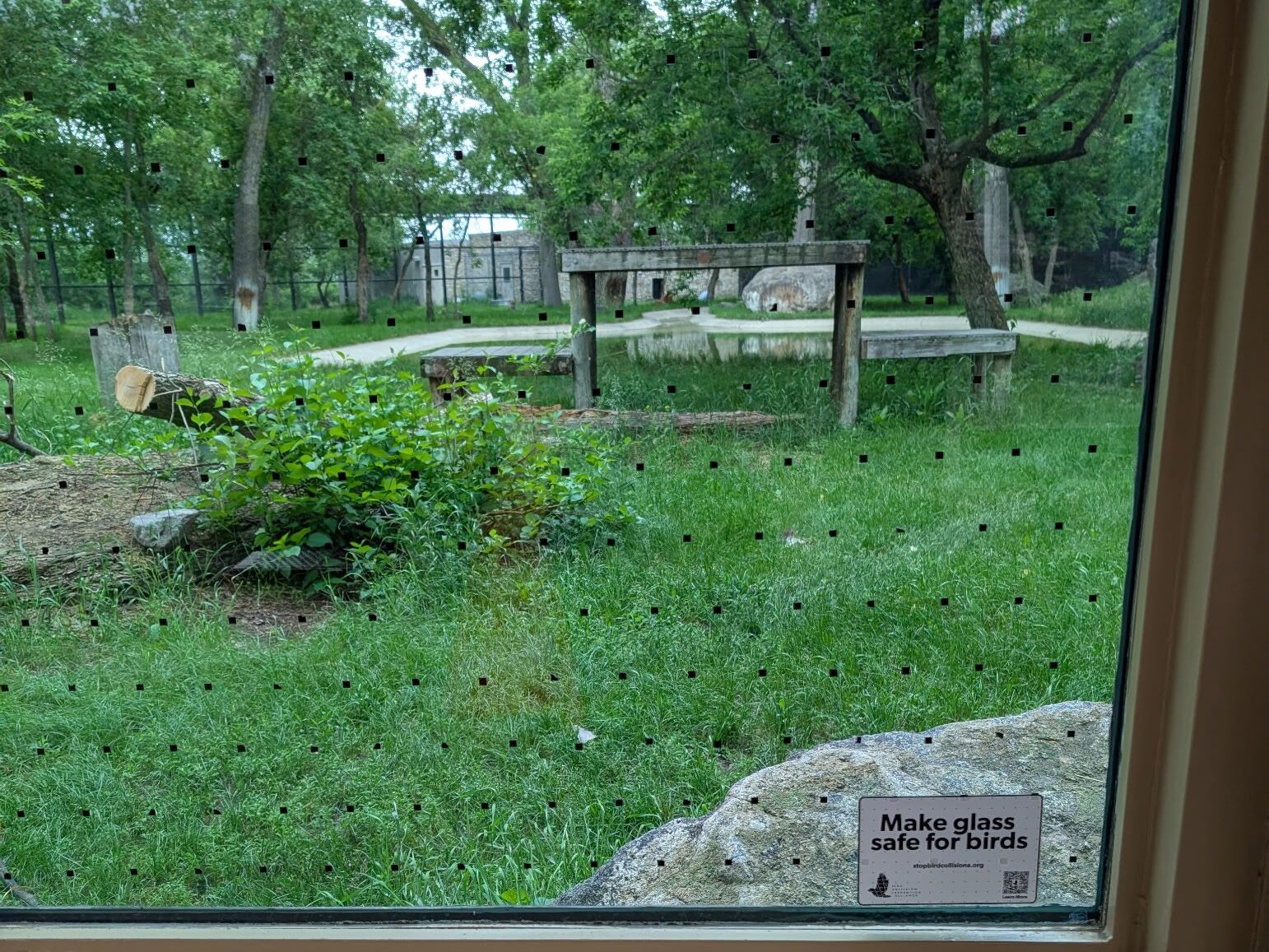
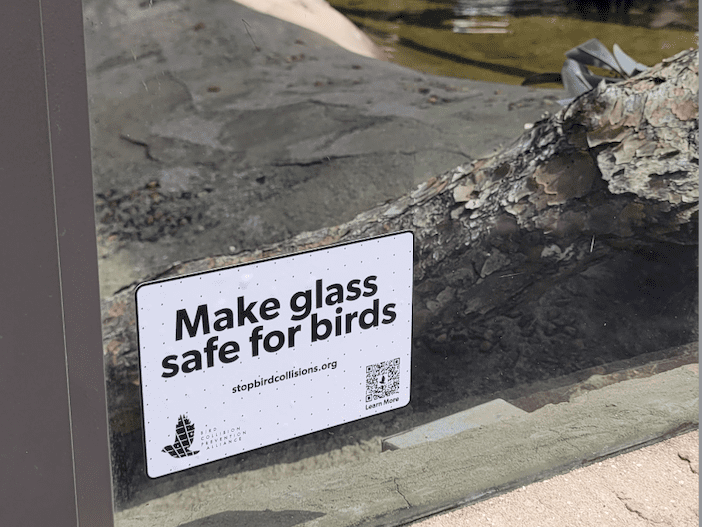
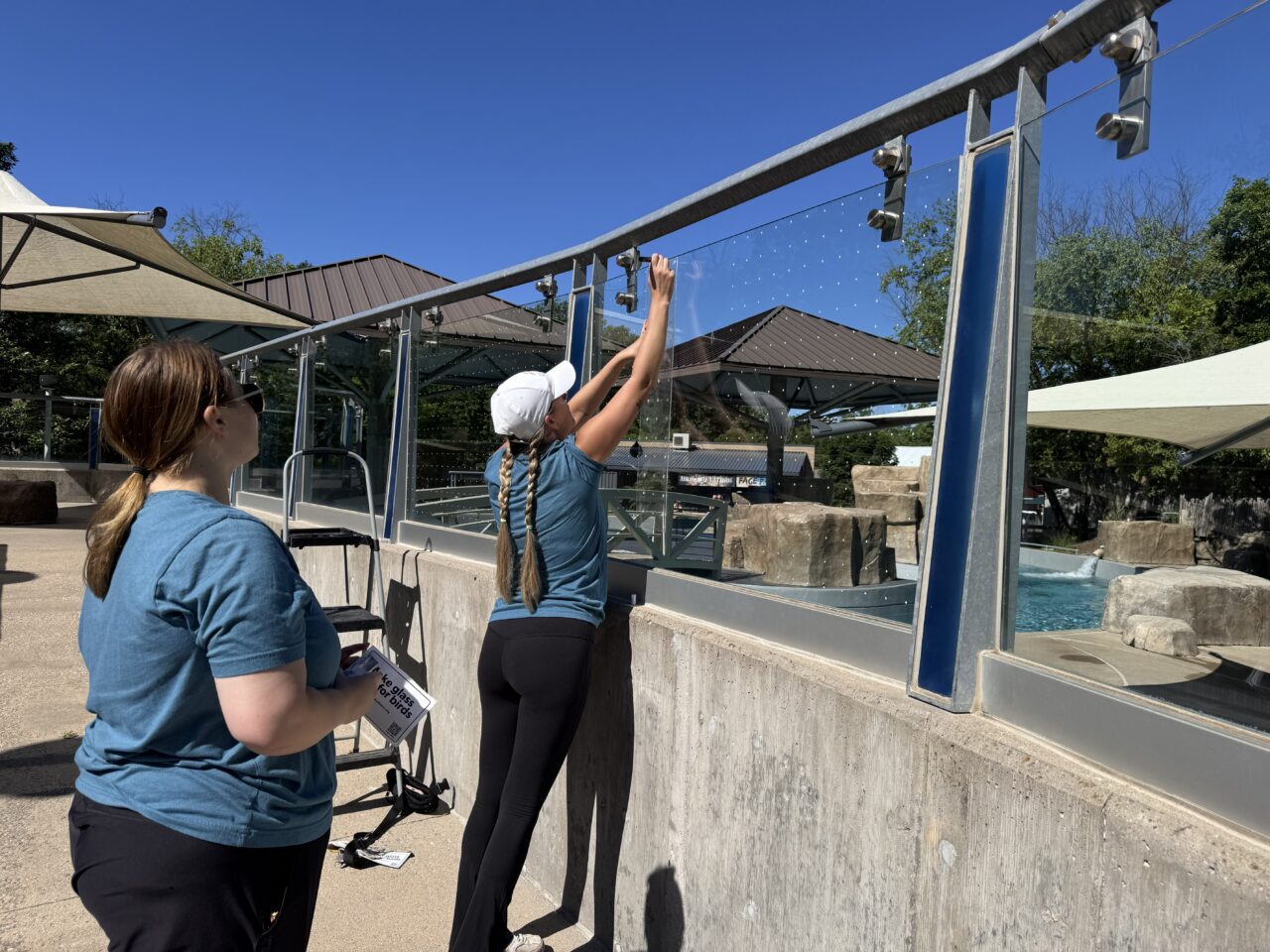
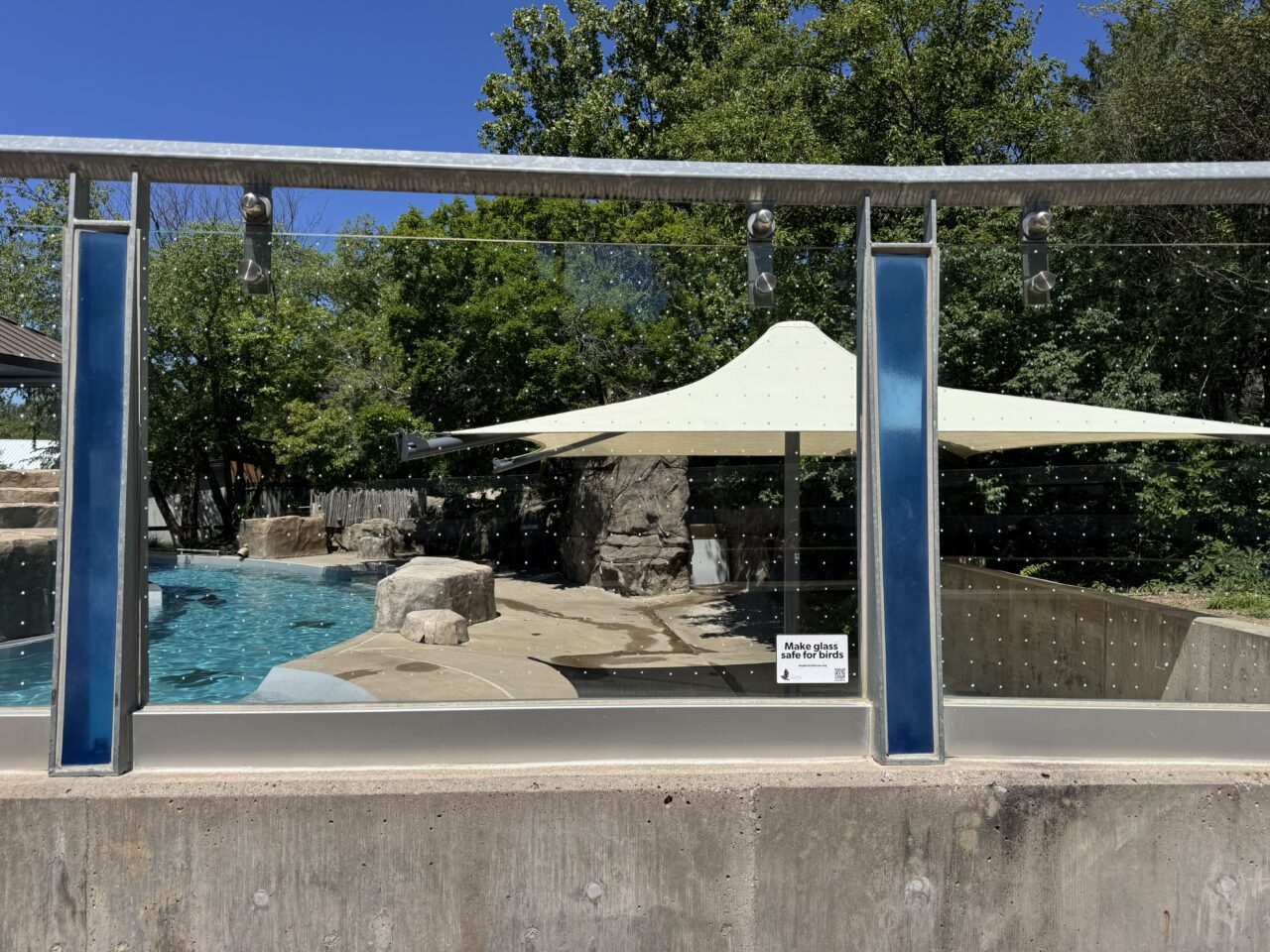
With 500 remaining decals and the hope to produce more, the BCPA envisions broader distribution of this resource in the future. If you or your organization would be interested in utilizing this resource, please email us at birdcollisionprevention@gmail.com. We are not currently distributing this resource to the public, but communications of interest will help determine future direction in the production and distribution of these decals.
Acknowledgements
We would like to acknowledge and thank the BCPA Communications Team for working together to design and develop this resource. We also extend our heartfelt thanks to Sara Hallager and Joe Smith, co-chairs of the AZA SAFE NAS program, for facilitating this collaboration. Thank you to Paul Groleau and Feather Friendly for your generous contribution of materials, without which this project would not have happened. Finally, thank you to all participating organizations for making this effort to educate your visitors on the dangers of bird-glass collisions!